
Gilead Sciences is set to enter the T cell engager space in an unusual — perhaps even unprecedented — deal arrangement that involves the pharma budgeting about $1.68 billion upfront to buy Ouro Medicines and for Galapagos to do early work on the candidate.
While the Monday deal is atypical, it is possibly unsurprising considering Gilead owns 25% of Galapagos stemming from a partnership signed in 2019, and that the Belgian biotech spent much of 2025 in restructuring mode before ending the year with a thin pipeline. Both Gilead and Galapagos would be joining the T cell engager race for the first time, although they have experience in the autoimmune disease area that Ouro specializes in.
The deal will see Gilead take Ouro and its bispecific candidate, called gamgertamig, which targets BCMA and CD3. The asset is in Phase 1/2 development for antibody-mediated rare diseases including autoimmune hemolytic anemia and immune thrombocytopenia.
Ouro shareholders will be eligible for up to $500 million in contingent milestones. The privately held biotech was launched last year by Monograph Capital with the help of GSK, and the deal will provide an exit for Ouro’s shareholders (GSK is also in the T cell engager space for autoimmune diseases).
The twist is that once Gilead completes its deal with Ouro, the pharma plans to close a separate pact with Galapagos, so the two companies can jointly advance gamgertamig. Under that second arrangement, which is in the advanced stages of discussion, Galapagos would pay half the upfront and milestone payments due to Ouro.
Galapagos would cover development costs for gamgertamig up to the start of a registrational program, after which the two companies would equally share the responsibility. Gilead would own commercialization rights for the asset outside of China and some nearby markets. Galapagos would receive 20% to 23% royalties on Gilead’s sales. Gamgertamig, which has Fast Track designation, is expected to enter registrational studies in 2027.
Ouro in-licensed gamgertamig from Keymed, and the Chengdu-based biotech still has the rights in China. Keymed is eligible to receive about $250 million upfront and up to $70 million in contingent milestones from Ouro due to its equity stake in the biotech.
Several key players in the T cell engager BCMAxCD3 autoimmune space also licensed their drugs from China. One example is Candid Therapeutics’ cizutamig, which was originally developed by EpimAb Biotherapeutics. There’s also Cullinan Oncology’s candidate velinotamig that it licensed from Genrix Bio.
The Monday deal will breathe new life into Galapagos, which is expected to absorb Ouro’s workforce. Before the pact was announced, Galapagos said in February it would become “a lean organization of approximately 35-40 employees by the end of 2026.” The company started last year with about 700 workers, but has made several personnel cuts throughout the year, some from the closure of its cell therapy unit. Galapagos’ former CEO Paul Stoffels left the company last year, with Henry Gosebruch taking his place.
Gilead and Galapagos’ extensive history is focused on autoimmune diseases. The partners collaborated on a drug candidate for rheumatoid arthritis called filgotinib, which failed to secure FDA approval six years ago. The drug did win a green light in Europe, where it’s marketed as Jyseleca, but Galapagos divested that brand to Alfasigma in 2024.
Gilead and Galapagos said they also intend to tweak the terms of their 2019 pact so that Galapagos can freely use up to $500 million of its own cash for the Ouro deal.
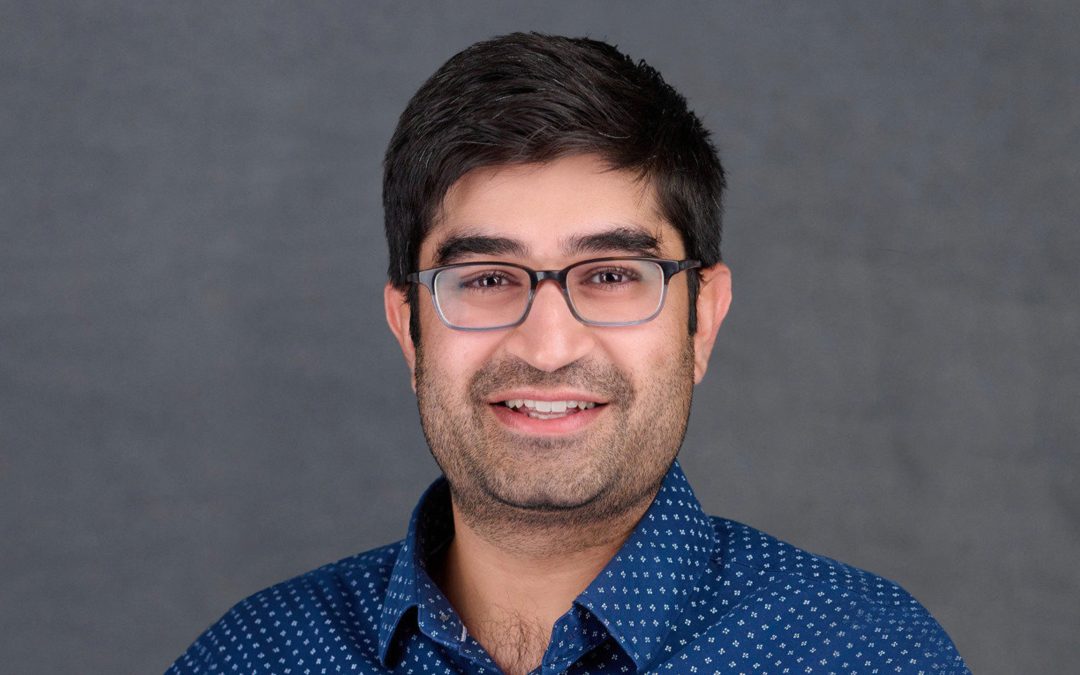
Post note from UCLA Bioengineering: Jaideep Dudani, Ouro Medicines CEO, was a UCLA Bioengineering undergraduate alum. He graduated with a B.S. in Bioengineering in 2013 and was awarded the 2013 Outstanding BS Student and the Engineering Achievement Award for Student Welfare. Also in that same year, received the Edward K. Rice Outstanding Bachelor’s Student award.