
Research Centers
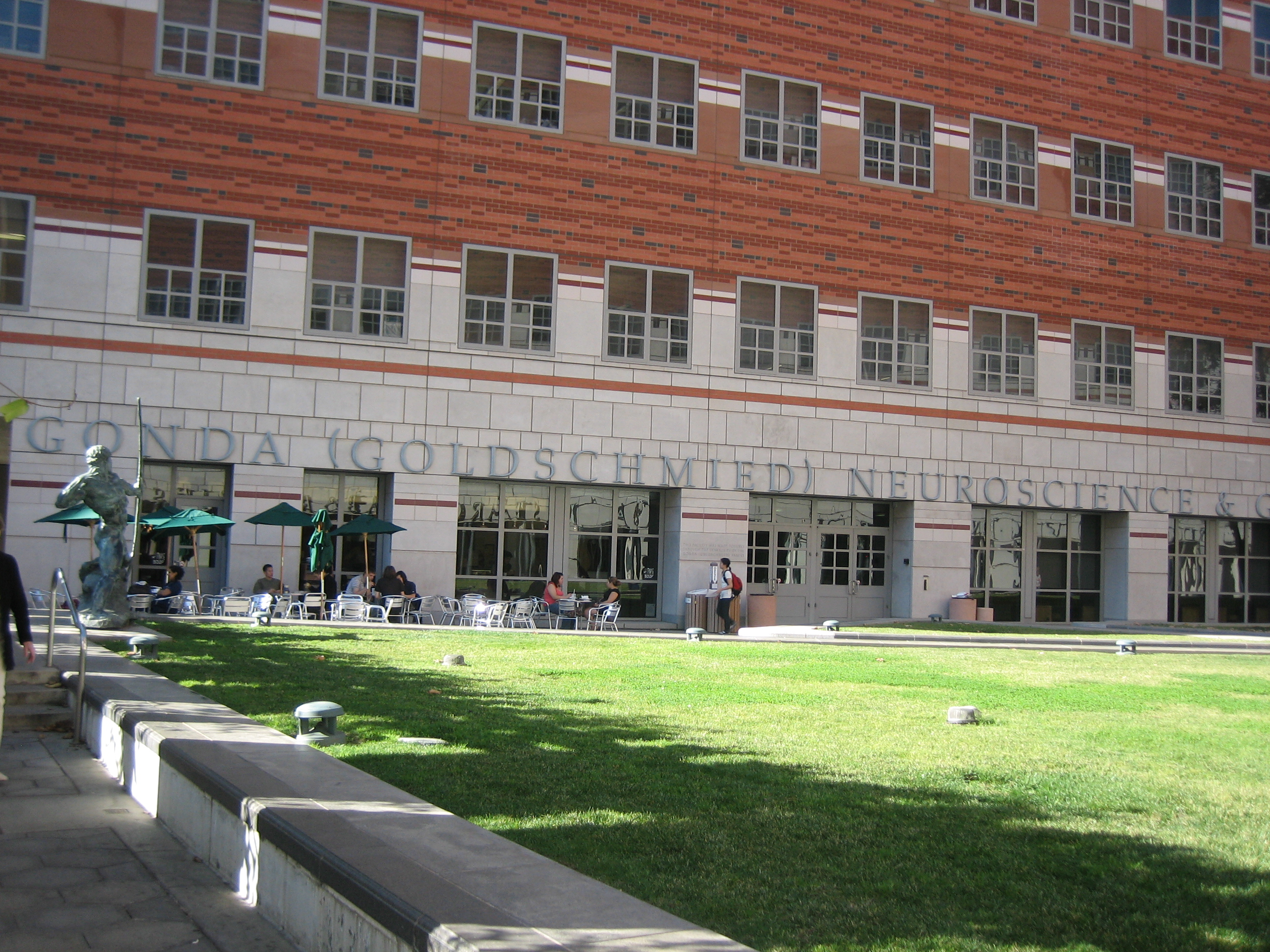
The BRI’s goal is for UCLA to become the preeminent center of excellence for neuroscience research and education and for the “translation” of research into clinical and technological applications. In the next five years, its efforts will focus on four areas of neuroscience: (1) learning, memory, and plasticity; (2) neural repair; (3) neuroengineering; and (4) neurogenetics. UCLA’s strength in these areas comes from multidisciplinary efforts to understand the nervous system at multiple levels with diverse technologies. These efforts depend on the close cooperation of all neuroscience units on campus.
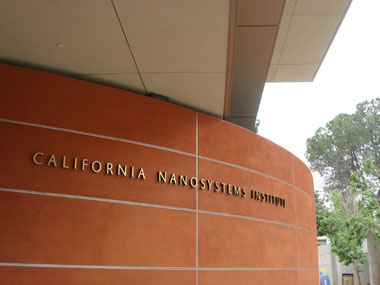
The University of California at Los Angeles and University of California at Santa Barbara have joined to build the California NanoSystems Institute (CNSI), which will facilitate a multidisciplinary approach to develop the information, biomedical, and manufacturing technologies that will dominate science and the economy in the 21st century.
The Center for Advanced Surgical and Interventional Technology (CASIT) is a UCLA-designated research facility with 3,700 sq ft. including the Gonda Robotic Center, a wet research laboratory, a telecommunications center, a computer simulations facility, an integrated operating room suite, and administrative offices. The facility maintains a da Vinci surgical robotic surgery system, a human patient simulator, and laparoscopic surgical simulators and tools.
See Video Gallery of research in CASIT
CENS, a NSF Science & Technology Center, is developing Embedded Networked Sensing Systems and applying this revolutionary technology to critical scientific and social applications. Like the Internet, these large-scale, distributed, systems, composed of smart sensors and actuators embedded in the physical world, will eventually infuse the entire world, but at a physical level instead of virtual.
The Crump Institute for Molecular Imaging (CIMI) brings together scientists who share a common interest in developing and using state-of-the-art imaging technology and developing molecular imaging assays for studying biological systems. Enter the world of molecular imaging and learn about the Crump Institute’s role in developing new imaging technology and methodology for use in the biological sciences. The Crump Institute is housed within the CNSI building.
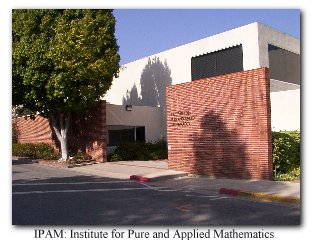
The overall mission of the Institute for Pure and Applied Mathematics (IPAM) is to make connections between a broad spectrum of mathematicians and scientists, to launch new collaborations, to better inform mathematicians and scientists about interdisciplinary problems, and to broaden the range of applications in which mathematics is used.
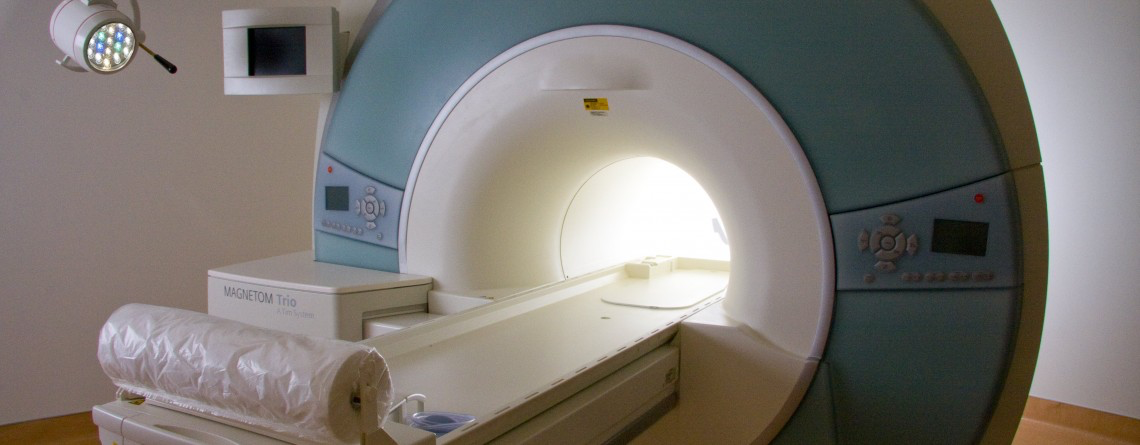
The Department of Radiological Science’s Magnetic Resonance Research Labs (MRRL) operates the Magnetic Resonance Research Center in the 300 Medical Plaza Building on the David Geffen School of Medicine campus at UCLA. The Magnetic Resonance Research Labs at UCLA comprises several labs run by individual PIs from the Department of Radiological Sciences at UCLA . Our goal is the development, validation, standardization, and clinical deployment of quantitative MRI techniques for basic science understanding, early diagnosis, treatment guidance, therapeutic response assessment, and prediction of critical biological features for clinical neurology, cardiology, and oncology.
The Weintraub Center is dedicated to making this goal a reality. By vastly improving the quality of life for countless individuals who suffer from the ravages of disfigurement, the Weintraub Center will assume its rightful place among other laboratories in the world over which are renowned for ongoing contributions to biomedical research and patient care. The mission of The Weintraub Center is to develop methods to improve the quality of life for people who have experienced loss of oral or facial structures secondary to cancer, trauma or birth defects. Interdisciplinary research collaborations between investigators with the basic science expertise and clinical resources will effectively translate molecular, cellular and organ characteristics of tissue damage and repair processes into reconstructive approaches for child and adult patients. Specific initial aims will be to develop a “bench-to-chairside” research effort featuring the integrated practice of discovery, application, and clinical assessment.